How Austin’s Texas Heat and Storms Affect the Lifespan of Your Roof
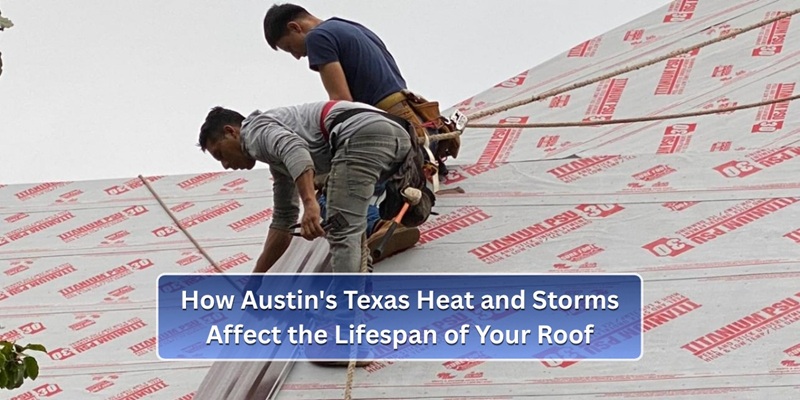
Austin homeowners know that Texas weather can be tough on a roof. Long stretches of intense summer heat, strong thunderstorms, hail, heavy rain, and high winds can gradually wear down roofing materials. For homeowners dealing with an aging or storm-damaged roof, roof replacement in Austin TX may eventually become necessary when repairs are no longer enough.
How Does Austin’s Heat Affect Your Roof?
During summer, Austin regularly experiences extreme heat and prolonged exposure to direct sunlight. Roofing materials absorb heat throughout the day, and repeated heating and cooling can gradually place stress on the roofing system. Over time, this can contribute to cracking, brittleness, granule loss, and general deterioration, depending on the type and condition of the roofing material.
UV exposure is another concern. Continuous sunlight can slowly break down the protective properties of roofing materials. Asphalt shingles, for example, can become less flexible as they age. Once the surface begins to deteriorate, the roof may become more vulnerable to rain and wind.
Heat can also affect components that are not immediately visible from the ground. Flashing, sealants, underlayment, vents, and other roofing components all contribute to keeping moisture outside the home. If these components begin to deteriorate, even a roof that looks acceptable from the street may have developing weaknesses.
Proper attic ventilation also matters in a hot climate. A well-designed ventilation system helps manage heat and moisture in the attic, which can support the overall performance and longevity of the roofing system. Homeowners should have ventilation concerns evaluated as part of a broader roof inspection rather than assuming that replacing shingles alone will solve every problem.
Can Austin Storms Shorten the Life of a Roof?
Yes. Severe storms can cause both immediate and gradual damage. Austin-area thunderstorms can bring strong winds, hail, heavy rainfall, and other severe weather conditions. These events can place considerable stress on residential roofing systems.
Hail is particularly concerning because damage may not always be visible from the ground. Hailstones can cause dents, bruising, cracks, and granule loss on shingles. Even when there is no immediate leak, damaged roofing materials may become more vulnerable to future weather exposure.
High winds can create another set of problems. Strong gusts may loosen or lift shingles, damage flashing, or expose areas beneath the roofing material. If these problems are not addressed, subsequent rainfall can find its way into vulnerable areas.
Heavy rain can also expose existing weaknesses. Damaged flashing, deteriorated sealants, clogged drainage systems, or compromised shingles can allow water to enter the roofing assembly. Water intrusion may eventually lead to damaged insulation, ceilings, walls, or structural components if the underlying issue is left unresolved.
Why Is Roof Maintenance Important in Austin?
Regular maintenance is one of the simplest ways to stay ahead of roofing problems. Instead of waiting for a visible ceiling stain or active leak, homeowners can periodically check the roof for warning signs.
After a significant storm, look for missing, lifted, cracked, or damaged shingles. Also check for visible granule accumulation around downspouts, damaged flashing, fallen branches, and other signs that the roof may have been affected.
Gutters and downspouts should also remain clear. During heavy rainfall, blocked drainage can cause water to collect where it should not. Keeping the roof and drainage system maintained helps reduce unnecessary moisture-related stress.
Trees around the home deserve attention as well. Overhanging or weak branches can fall onto the roof during high winds and damage shingles, vents, flashing, or other components. Keeping nearby trees properly maintained can reduce one potential source of storm-related roof damage.
What Are the Signs That a Roof Is Aging?
Some roofing problems develop gradually rather than appearing immediately after a storm. Curling or cracked shingles, excessive granule loss, damaged flashing, recurring leaks, dark or discolored areas, and visible deterioration can all indicate that a roof needs professional attention.
The age of the roof is another factor, but age alone does not determine whether replacement is necessary. Two roofs of the same age can be in very different conditions depending on installation quality, material, ventilation, maintenance, and exposure to severe weather.
Repeated repairs can also be a warning sign. If the same areas continue developing problems after previous repairs, it may be worth having the entire roofing system evaluated.
When Should You Consider Replacing Your Roof?
A roof does not necessarily need to be replaced after every storm. Minor or isolated damage may be repairable. However, replacement can make more sense when deterioration is widespread, leaks continue to return, storm damage is extensive, or the roofing system has reached the later part of its useful service life.
A professional inspection can help determine the condition of the roof and identify whether the problems are localized or widespread. The inspection should consider shingles, flashing, ventilation, drainage, roof penetrations, and other components rather than focusing only on the visible surface.
For homeowners considering replacement, the choice of roofing material should also take Austin’s climate into account. Heat, UV exposure, heavy rain, wind, and hail can all influence how a roofing system performs over time.
How Can Homeowners Extend Their Roof’s Lifespan?
Consistent maintenance can help homeowners get better long-term performance from their roofing system. Periodic inspections, prompt repairs, clean gutters, properly maintained trees, and good attic ventilation can all contribute to a healthier roof.
It is especially important not to ignore small problems. A damaged shingle may seem insignificant, but leaving it exposed can allow moisture to reach the layers underneath. Similarly, a small flashing problem can become a larger water intrusion issue during repeated storms.
When professional assistance is needed, choosing an experienced roofing company Austin TX homeowners can trust can make it easier to identify problems and determine whether repair, maintenance, or replacement is the most appropriate solution.
Austin’s weather cannot be controlled, but homeowners can control how they respond to it. Regular inspections and timely maintenance can help identify vulnerabilities before they become major roofing problems. By paying attention to heat-related deterioration and storm damage, homeowners can better protect their roofs and the homes beneath them.
Frequently Asked Questions
How often should an Austin roof be inspected?
Homeowners should have their roof inspected periodically and after major storms, particularly when the area has experienced significant hail or strong winds. Older roofs may benefit from more frequent professional evaluations.
Can extreme Texas heat shorten roof life?
Yes. Long-term exposure to intense sunlight and heat can accelerate the aging of roofing materials. Proper installation, ventilation, maintenance, and suitable material selection can help manage these effects.
Can hail damage a roof without causing a leak?
Yes. Hail can bruise or weaken roofing materials without creating an immediate opening. Some damage may only become noticeable later, which is why professional inspection after a significant hailstorm can be useful.
Should I repair or replace my roof after storm damage?
It depends on the extent and location of the damage, the roof’s age, its overall condition, and its repair history. A professional inspection can help determine whether repairs are practical or whether replacement would provide a better long-term solution.
Does roof maintenance really extend its lifespan?
Regular maintenance can help identify and address minor issues before they develop into larger problems. Keeping drainage systems clear, repairing damage promptly, and monitoring the roof after severe weather can all help protect the roofing system over time.